Electricity is one of the most essential systems in any home, yet it is often the least understood. From powering kitchen appliances and home offices to charging devices and running heating and cooling systems, your electrical infrastructure works constantly behind the scenes. Residential electrical services are not just about fixing flickering lights or installing new outlets. They are fundamentally about ensuring safety, improving energy efficiency, and supporting the growing technological demands of modern living. For homeowners, understanding the scope and importance of professional electrical services is critical to protecting both property and the people inside it.
At the core of residential Nash Electric LLC services is safety. Electrical systems that are outdated, improperly installed, or poorly maintained present serious risks, including electrical fires, shocks, and equipment damage. Many homes, particularly older ones, were built to accommodate far fewer devices than today’s households use. High-powered appliances, entertainment systems, home automation, and electric vehicle chargers place significant strain on wiring and panels that were never designed for such loads. Professional electricians assess these demands and ensure your system is capable of handling them without overheating or short-circuiting. This proactive approach reduces hazards and provides peace of mind.
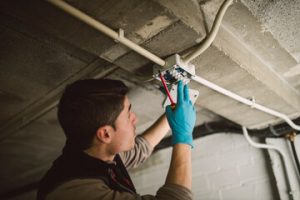
One of the most important safety features in any modern home is proper circuit protection. Circuit breakers and ground fault protection devices are designed to interrupt electrical flow when abnormalities occur. However, these systems must be installed correctly and tested regularly to function as intended. Homeowners should understand the role of two essential protective mechanisms:
- Ground Fault Circuit Interrupters (GFCIs), which protect against shock in moisture-prone areas such as kitchens, bathrooms, and outdoor spaces.
- Arc Fault Circuit Interrupters (AFCIs), which detect dangerous electrical arcs that can lead to fires.
These devices are not optional upgrades; they are critical components of a safe electrical system. When incorporated into residential electrical services, they significantly reduce the likelihood of preventable accidents.
Beyond safety, efficiency is another major consideration. Energy-efficient electrical systems not only lower monthly utility bills but also extend the lifespan of appliances and equipment. Professional electricians evaluate load distribution across circuits, identify inefficiencies, and recommend improvements such as LED lighting upgrades, programmable timers, and energy monitoring systems. Small changes in wiring configuration or panel organization can result in measurable performance gains. Efficiency also involves reducing phantom energy usage, which occurs when electronics draw power even when turned off. By installing smart switches or advanced surge protection systems, homeowners can better manage consumption patterns.
Electrical panel upgrades are among the most common residential electrical services requested today. The electrical panel serves as the command center of your home’s power distribution. If it is outdated, undersized, or showing signs of wear such as rust or overheating, it may not safely accommodate current electrical loads. Warning signs that a panel may require professional attention include frequently tripped breakers, buzzing sounds, burning odors, or dimming lights when appliances start. An upgraded panel improves reliability, supports modern devices, and enhances overall safety. It also prepares the home for future expansions, including renewable energy integration or electric vehicle charging stations.
Wiring is another fundamental aspect of residential electrical systems. Faulty or aging wiring can remain hidden behind walls for years before presenting visible problems. Homes with aluminum wiring, brittle insulation, or improperly spliced connections may face elevated fire risks. Rewiring projects are significant investments, but they provide long-term safety benefits and ensure compliance with current electrical codes. During a rewiring project, electricians replace outdated conductors, install proper grounding systems, and ensure secure junction box connections. Although disruptive, this work dramatically improves system reliability and energy efficiency.
Lighting design is often overlooked in discussions about residential electrical services, yet it plays a major role in both functionality and aesthetics. Well-designed lighting systems improve visibility, reduce eye strain, and enhance interior ambiance. Modern solutions such as recessed lighting, under-cabinet fixtures, and dimmer controls allow homeowners to customize illumination based on activity and mood. In addition, exterior lighting enhances security by deterring unauthorized access and improving nighttime visibility. Energy-efficient lighting upgrades, particularly LED retrofits, reduce electricity consumption while providing brighter and more consistent illumination. Professional installation ensures that circuits are balanced and that fixtures are properly grounded.
Surge protection is another key component of a comprehensive electrical safety strategy. Power surges can occur due to lightning strikes, utility grid switching, or large appliances cycling on and off. These sudden voltage spikes may damage sensitive electronics such as computers, televisions, and smart home systems. While plug-in surge protectors provide limited defense, whole-home surge protection systems installed at the panel level offer broader coverage. Residential electrical services that include surge protection safeguard investments in technology and prevent costly replacements.
As homes become increasingly connected, smart home technology introduces new considerations for electrical infrastructure. Automated lighting, security systems, thermostats, and voice-controlled devices all rely on stable and well-managed electrical networks. Improper installation of smart devices can overload circuits or create communication issues between systems. Professional electricians ensure compatibility between devices and verify that circuits can safely support additional components. They also help homeowners plan for scalability, ensuring that the electrical framework can adapt to future technological advancements.
Routine maintenance remains one of the most underestimated aspects of residential electrical services. Unlike plumbing leaks or roof damage, electrical issues are not always visible until a failure occurs. Periodic inspections identify loose connections, corroded terminals, and overloaded circuits before they escalate into emergencies. Maintenance appointments typically include panel inspections, breaker testing, grounding verification, and evaluation of visible wiring. This preventive approach minimizes unexpected outages and extends the service life of electrical components.
Homeowners should also recognize the importance of code compliance. Electrical codes evolve to reflect new safety research and technological developments. What was acceptable decades ago may no longer meet current safety standards. When renovating, adding rooms, or installing major appliances, electrical modifications must align with updated regulations. Licensed professionals remain informed about these changes and ensure that all installations meet established safety requirements. Compliance not only reduces hazards but also protects property value during resale or insurance assessments.
Energy audits provide another avenue for improving efficiency within residential electrical systems. These evaluations analyze energy consumption patterns and identify areas where improvements can be made. Electricians may recommend insulation enhancements around wiring pathways, balanced circuit distribution, or updated appliances that operate more efficiently. Some audits also include thermal imaging to detect hotspots within panels or walls. By addressing inefficiencies at their source, homeowners can achieve long-term savings and reduce environmental impact.
Backup power solutions are becoming increasingly relevant for residential properties. Storms, grid disruptions, and unforeseen outages can interrupt daily routines and compromise safety. Backup generators and battery storage systems offer reliable alternatives when the primary power supply fails. Professional installation ensures proper transfer switch configuration and prevents dangerous backfeeding into utility lines. When integrated correctly, backup systems provide seamless transitions during outages and maintain essential operations such as refrigeration, medical equipment, and lighting.
For homeowners evaluating electrical service providers, selecting qualified professionals is essential. Electrical work is complex and potentially hazardous, requiring technical expertise and adherence to strict safety protocols. Attempting do-it-yourself electrical repairs may seem cost-effective, but mistakes can lead to severe consequences. Reliable residential electrical services include thorough assessments, transparent cost estimates, and detailed explanations of recommended solutions. Clear communication fosters trust and helps homeowners make informed decisions about upgrades and repairs.
There are also several proactive steps homeowners can take to support electrical safety and efficiency between professional visits:
- Avoid overloading outlets and use dedicated circuits for high-demand appliances.
- Replace damaged cords immediately and avoid using extension cords as permanent solutions.
- Test GFCI outlets monthly to confirm proper operation.
- Keep electrical panels accessible and free from obstructions.
While these measures do not replace professional maintenance, they reinforce safe daily practices and reduce unnecessary strain on the system.
Another emerging consideration is the integration of renewable energy systems. Solar panel installations and battery storage units require specialized electrical configurations. Residential electrical services ensure that these systems connect safely to existing panels and that inverters function correctly. Proper grounding and surge protection become even more critical when alternative energy sources are introduced. By planning carefully, homeowners can reduce energy dependence while maintaining system stability.
Ultimately, residential electrical services encompass far more than basic repairs. They involve strategic planning, risk management, energy optimization, and future-proofing. A well-maintained electrical system supports comfort, security, and technological advancement. It reduces fire hazards, minimizes downtime, and improves overall household performance. For homeowners, investing in professional electrical services is not merely a maintenance expense; it is a long-term commitment to safety and efficiency.
Understanding how your home’s electrical system functions empowers you to make informed decisions. Whether upgrading a panel, installing new lighting, or scheduling routine maintenance, each action contributes to a safer and more efficient living environment. As technology continues to evolve and energy demands increase, residential electrical services will remain a cornerstone of responsible homeownership. By prioritizing safety measures, embracing efficiency improvements, and working with skilled professionals, homeowners can ensure that their electrical systems remain reliable, adaptable, and secure for years to come.