Stairways are more than just functional connectors between levels; they are architectural statements that shape how a space is experienced. In both residential and commercial environments, stairway metal railings play a critical role in balancing safety, aesthetics, and long-term performance. As architectural design continues to evolve, metal railings have emerged as a preferred choice due to their adaptability, strength, and ability to complement a wide range of styles—from minimalist modern interiors to bold industrial concepts. Explore how innovative design approaches and durable construction methods are redefining architecture stairway metal railing and why they remain a smart investment for contemporary structures.
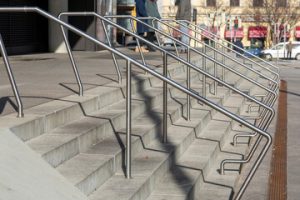
Metal railings have steadily moved beyond their traditional, utilitarian image. Advances in fabrication techniques, finishes, and design software allow architects and builders to experiment with shapes, textures, and visual rhythms that were once difficult or costly to achieve. Instead of acting as simple barriers, railings are now integrated design elements that enhance spatial flow, frame sightlines, and even influence how light travels through a building. Their versatility makes them suitable for indoor staircases, outdoor transitions, and mixed-use environments where performance and visual appeal must coexist.
One of the key reasons metal railings are favored in architectural stairway design is their exceptional structural integrity. Metals such as steel and aluminum offer high load-bearing capacity while maintaining relatively slim profiles. This allows designers to create railings that feel light and open without compromising safety standards. Compared to bulkier materials, metal can achieve strength with less visual mass, resulting in stairways that feel more expansive and refined. This balance between form and function is especially important in modern architecture, where clean lines and openness are often prioritized.
Design innovation in metal stairway railings is largely driven by customization. Architects and property owners are no longer limited to off-the-shelf patterns. Custom fabrication enables railings to be tailored to the geometry of the stairway, the scale of the space, and the overall design intent. Curved staircases, floating steps, and multi-level landings can all be complemented by metal railings that follow their contours precisely. This level of customization ensures that the railing feels like an intentional part of the architecture rather than an afterthought.
In terms of visual styles, metal railings can adapt to a wide spectrum of design languages. Sleek horizontal or vertical balusters often support modern and contemporary aesthetics, emphasizing simplicity and repetition. Intricate laser-cut panels or perforated metal designs can introduce artistic expression and texture, turning the railing into a focal point. For more industrial-inspired spaces, raw or brushed metal finishes highlight material honesty and craftsmanship. This flexibility allows metal railings to remain relevant across changing trends, making them a long-term design solution rather than a temporary style choice.
Durability is another defining characteristic of architectural stairway metal railings. Unlike materials that may warp, crack, or degrade over time, metal is well-suited to withstand daily wear and environmental exposure. Properly treated and finished metal railings resist corrosion, impact damage, and structural fatigue. This makes them particularly valuable in high-traffic areas where safety and longevity are non-negotiable. Over time, this durability translates into reduced maintenance requirements and lower lifecycle costs, which is an important consideration for both residential owners and commercial property managers.
Modern finishing techniques further enhance the durability of metal railings while expanding their aesthetic options. Protective coatings, powder finishes, and specialized treatments create a barrier against moisture, scratches, and UV exposure. These finishes not only extend the lifespan of the railing but also allow for consistent color and texture across large installations. As a result, metal railings can maintain their appearance for years with minimal upkeep, even in challenging environments.
From a safety perspective, metal stairway railings provide reliable performance when designed and installed correctly. Their rigidity ensures consistent support, while precise fabrication allows for accurate spacing and alignment. This is essential for meeting building codes and ensuring user confidence when navigating stairways. Metal railings can also be designed to integrate additional safety features without sacrificing aesthetics, such as continuous handrails, reinforced posts, or integrated lighting elements that improve visibility.
A few key design and performance factors often guide the selection of architectural stairway metal railings:
- Structural efficiency and strength-to-weight ratio, which allows for slimmer designs without compromising safety.
- Adaptability to custom layouts, including straight, curved, and multi-directional staircases.
These factors make metal railings a practical choice for complex architectural projects where precision and reliability are essential.
Sustainability is another area where metal railings offer significant advantages. Many metals used in architectural applications are recyclable, and their long service life reduces the need for frequent replacement. This aligns with sustainable building practices that prioritize durability and material efficiency. Additionally, advances in fabrication technology have minimized material waste during production, making custom metal railings an increasingly responsible choice from an environmental standpoint.
Innovation in architectural stairway metal railings also extends to how they interact with other materials. Metal pairs seamlessly with glass, wood, and stone, creating layered designs that add depth and contrast. For example, a metal railing combined with glass infill panels can provide safety without obstructing views, maintaining an open and airy feel. When paired with wood handrails, metal supports can introduce warmth while retaining a modern edge. These material combinations allow designers to create railings that feel cohesive within the broader architectural palette.
Lighting integration has become an increasingly popular feature in modern metal stairway railings. By incorporating subtle lighting elements into the railing design, architects can enhance both safety and ambiance. Integrated lighting can highlight the geometry of the stairway, guide movement, and create a distinctive visual effect after dark. Metal’s precision and strength make it an ideal framework for supporting these integrated systems without cluttering the design.
The fabrication process itself plays a crucial role in achieving both innovation and durability. Advanced cutting, bending, and welding techniques enable complex designs to be executed with high accuracy. Digital modeling allows designers and fabricators to collaborate closely, ensuring that the final railing aligns perfectly with the architectural intent. This level of precision reduces installation challenges and ensures a seamless fit, which ultimately contributes to the railing’s long-term performance.
Another advantage of metal stairway railings is their scalability. Whether used in a compact residential staircase or a large commercial atrium, metal railings can be adapted to suit the scale of the project. Their modular nature allows for consistent design language across multiple levels or sections of a building, reinforcing architectural cohesion. At the same time, subtle variations in detail can be introduced to respond to specific spatial conditions.
When considering long-term value, metal railings stand out as an investment in both safety and design longevity. Their ability to maintain structural integrity and visual appeal over time reduces the need for frequent repairs or replacements. This is particularly important in commercial or public environments where downtime and maintenance disruptions can be costly. Even in residential settings, the durability of metal railings provides peace of mind and preserves the overall quality of the interior or exterior space.
A second set of considerations often influences the final design and specification of metal stairway railings:
- Finish selection and protective treatments, which directly impact lifespan and maintenance needs.
- Integration with surrounding architectural elements, ensuring visual harmony and functional continuity.
By addressing these considerations early in the design process, architects and builders can maximize both performance and aesthetic value.
In conclusion, architectural stairway metal railings represent a powerful combination of innovation, durability, and design flexibility. Their evolution from simple safety features to integral architectural elements reflects broader trends in modern construction, where performance and aesthetics are expected to work together seamlessly. Through custom fabrication, advanced finishes, and thoughtful integration with other materials, metal railings can elevate the experience of a space while providing reliable, long-lasting support. For projects that demand both visual impact and structural confidence, metal stairway railings continue to set the standard in contemporary architectural design.